Basement Repair Services
Basement Waterproofing and Structural Repair
The area beneath your home requires specific defenses against wet soil and water pressure. When water leaks through the concrete floor or your foundation walls weaken, the stability of your entire house is at risk. Elite Moisture Solutions evaluates the exact cause of your basement problems and installs targeted fixes to secure the space.
We stop active leaks, stabilize inward-leaning walls, and remove hazardous mold. Our certified technicians do not guess; we measure moisture levels and structural movement to install systems designed to keep the space dry and structurally sound for the long term.

Don’t just take our word for it. With 116+ five-star reviews on Google, we are Central North Carolina’s most trusted basement repair team. See why your neighbors choose Elite for their toughest basement repairs.

We provide solutions that last, and we back them up. Our basement repairs come with industry-leading, transferable warranties, ensuring your home’s value is protected for years to come.
Structural decay and water intrusion present clear physical markers. Look for these specific indicators that professional intervention is necessary before the damage spreads to your upper floors:
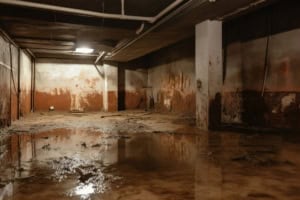
Water pushing up through the concrete floor or leaking through the joints where the floor meets the wall.
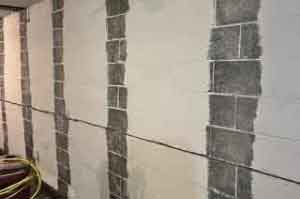
Concrete block or poured walls physically leaning or bending inward due to the heavy weight of wet outside soil.
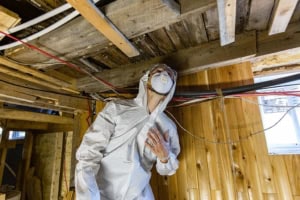
The fiberglass insulation under your floors is heavy with moisture and hanging down into the dirt.
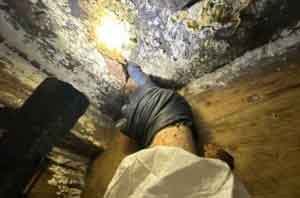
The floors inside your house feel soft, bounce when you walk, or slope downward, indicating the structural wood below is failing.
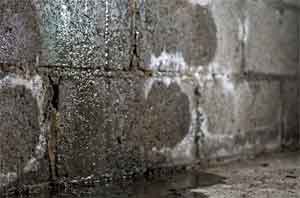
Dark, damp patches on the concrete blocks that indicate water is slowly soaking through the masonry.
We reject a one-size-fits-all approach. By thoroughly inspecting the space, we prescribe exactly what your basement requires. Our primary services address the root causes of water penetration and structural failure, offering you clear paths to a secure home.
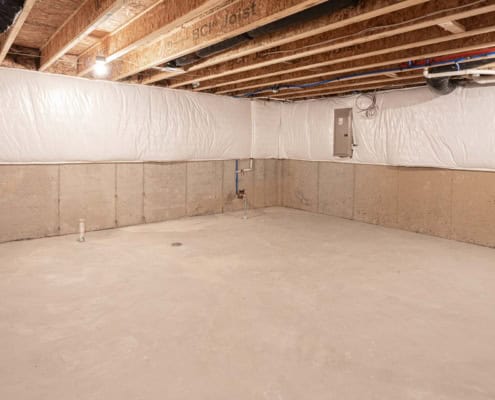
We block outside water by applying highly durable vapor barriers and sealing vulnerable foundation entry points. This creates a dry barrier inside your basement, stopping soil moisture from rotting your building materials.
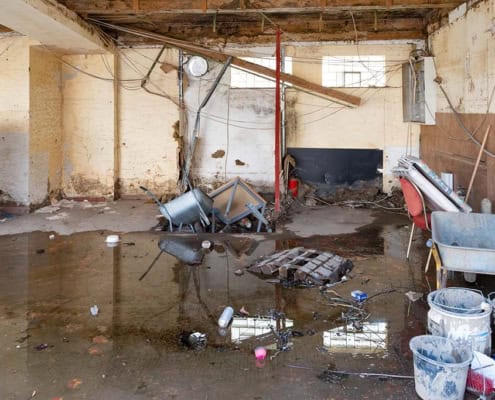
Following a flood, we physically pump out the water, set up commercial drying equipment to dry the air, and remove ruined materials to stop further damage.
Note: We do not handle raw sewage cleanup.
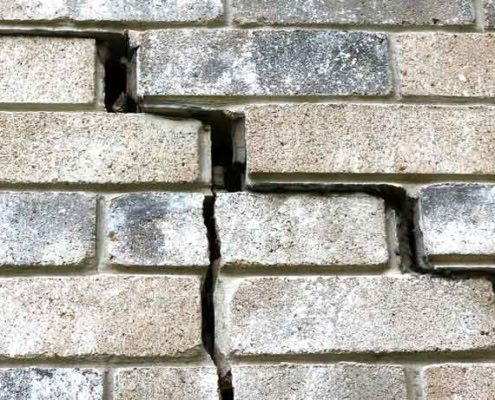
To correct structural failure, we install physical reinforcements. Depending on the soil weight and wall condition, we utilize steel I-beams, carbon fiber straps, wall anchors, and helical piers. These pieces of equipment physically stop wall movement and support the heavy load of the house.

We isolate the affected area, physically scrub and wipe away the mold, apply commercial-grade treatments to kill the remaining spores, and verify the removal through strict testing to ensure the air is safe to breathe.
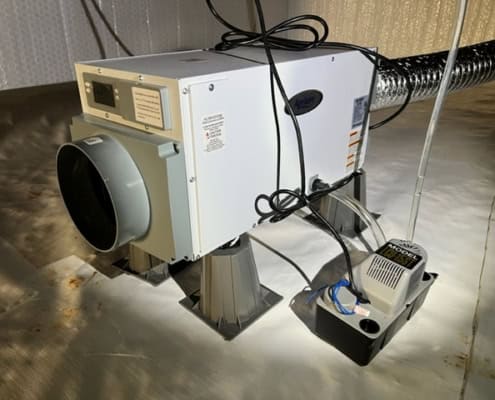
We set up high-capacity AprilAire dehumidification units equipped with direct drain lines. These units constantly pull air through the system, removing excess water from the air to prevent condensation and subsequent mold growth.
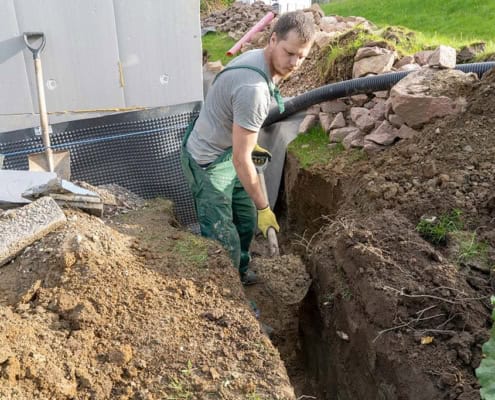
We manage internal water collection by digging an interior trench for French drain installation and placing a collection basin at the lowest point for an automatic sump pump installation. This pipe network catches incoming groundwater and mechanically pumps it outside before it can gather on your floor.
We maintain strict standards for every basement repair project to guarantee exact results.
What is the difference between waterproofing and a drainage system?
Waterproofing focuses on sealing the walls and floors to block water from entering the space entirely. A drainage system acts as an active management tool, collecting the water that reaches the interior and pumping it outside the home.
How do you fix a basement wall that is bowing inward?
We assess the extent of the movement and install physical reinforcements. This usually involves securing flat carbon fiber straps directly to the wall, or driving steel wall anchors into the exterior dirt to pull the wall back into the correct position.
Does homeowner’s insurance cover basement mold removal?
Coverage depends heavily on the source of the moisture. If the mold resulted from a sudden, accidental burst pipe, it might be covered. If it stems from gradual groundwater leaking or long-term neglect, policies typically exclude it. We recommend checking with your specific insurance provider.
Why shouldn’t I just use a portable dehumidifier from a hardware store?
Standard home units lack the power to handle the high volume of air in a large basement. Furthermore, our commercial units feature continuous, gravity-fed drainage lines, eliminating the daily chore of manually emptying a water bucket.
GET IN TOUCH WITH US
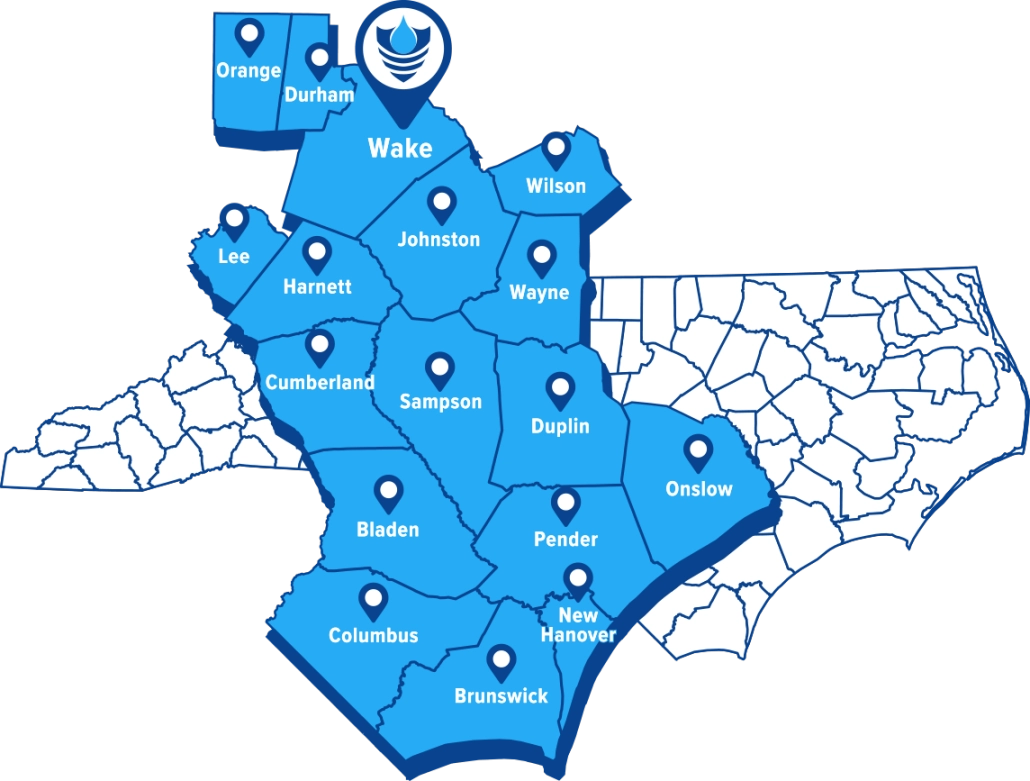
NORTH CAROLINA SERVICE AREAS