Because a crawl space sits below ground level, it is the lowest point of your home. During heavy rain or a plumbing failure, water pools directly on the exposed dirt floor, creating thick mud and a highly saturated environment. When this standing water evaporates upward, it soaks into the fiberglass insulation and wooden floor joists above it. This continuous moisture causes the insulation to collapse, accelerates mold growth, and rots the structural timber supporting your home.
At Elite Moisture Solutions, we provide highly specialized water damage repair specifically for the physical environment of a crawl space. We pump out the standing water, extract the wet debris and heavy insulation, deploy industrial drying equipment, physically remove mold from the wood framing, and repair the structural damage. We return your crawl space to a clean, dry, and stable condition.
Signs of Water Damage in Your Crawl Space
Water intrusion causes immediate physical changes to the materials under your home. If you experience a flood or notice the following symptoms, your crawl space requires professional water extraction and repair:
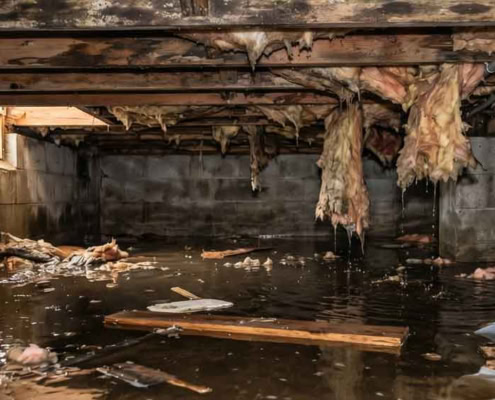
Standing Water: You have active flooding, deep puddles, or continuous standing water sitting on the crawl space dirt floor.
High Water Marks: You see horizontal water stains or dried mud lines on your foundation walls and masonry piers, indicating how high the floodwaters previously reached.
Fallen Insulation: The fiberglass insulation installed between your floor joists absorbs the water vapor, becomes heavy, and falls down into the mud.
Rapid Mold Growth: You observe dark mold or white wood fungus actively spreading across the damp floor joists and subfloor.
Sagging Floors: The floors inside your house feel soft or bounce when you walk, indicating the structural wood below has absorbed water and lost its load-bearing strength.
Persistent Musty Odors: You smell a strong, damp, musty odor rising into your home, caused by the wet soil, ruined insulation, and biological growth below.
Our Crawl Space Restoration Process
Restoring a flooded crawl space requires specialized labor to navigate the tight access and remove ruined materials from the dirt floor. We follow a strict process to dry the space and repair the damage.
Initial Assessment: We inspect the flooded area to locate the exact source of the water intrusion and evaluate the structural integrity of your floor framing.
Water Extraction: We use high-powered trash pumps and commercial vacuums to rapidly extract the standing water and heavy mud from the crawl space floor.
Debris and Insulation Removal: We detach and manually haul out the ruined, water-logged fiberglass insulation, old plastic vapor barriers, and any unsalvageable debris from the space.
Drying and Dehumidification: We deploy industrial-grade air movers and dehumidifiers. This equipment runs continuously to extract lingering moisture from the exposed dirt, wood framing, and surrounding air.
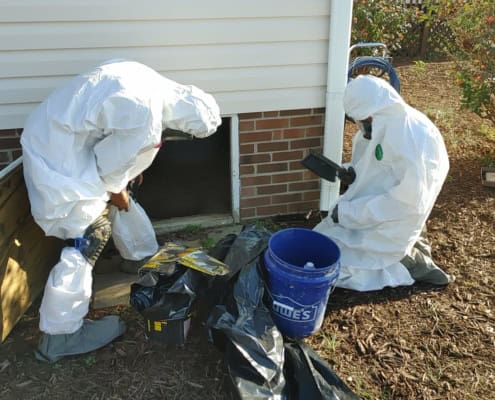
Mold Removal: If mold has formed, our technicians physically brush and wipe down the wood surfaces to remove the mold structures, and then apply a commercial treatment to kill the remaining spores.
Structural Repair: Our foundation repair team replaces any building materials that were destroyed by the water, including rotted girders, damaged floor joists, and subflooring.
Waterproofing Integration: To prevent future flooding, we install permanent waterproofing systems, such as interior strip drains and sump pumps, to actively catch and remove incoming groundwater.
Cost & Financing for Crawl Space Water Damage Repair
The total cost of water damage restoration depends heavily on the volume of water extracted and the amount of physical material that must be removed and replaced.
Estimated Cost: Basic water extraction, debris removal, and drying generally start between $1,500 and $3,000. If the flooding caused severe structural rot or requires extensive physical mold removal and joist replacement, projects can range from $4,000 to $10,000+.
Flexible Financing: We make repairing water damage affordable. We offer 6-month, 12-month, and 18-month “same-as-cash” options, as well as traditional financing terms through our trusted partnerships with Regions Home Improvement Financing and Greensky.
Frequently Asked Questions About Crawl Space Flooding
Do you extract sewage water or perform biohazard cleanup?
No. We handle groundwater flooding and clean water plumbing leaks. We do not provide biohazard extraction or raw sewage cleanup services.
Can you save my wet fiberglass insulation?
No. Fiberglass insulation is a highly porous material. Once it absorbs dirty floodwater or high moisture, it loses its insulating value and traps mold spores inside its fibers. It must be physically removed and disposed of.
How do you dry a wet dirt floor?
We first use pumps to extract all standing liquid water. We then remove any old plastic liners holding moisture against the soil. Finally, we seal the space temporarily and run industrial dehumidifiers to pull the remaining water vapor out of the dirt and wood.
Will I need to replace my wood floor joists?
Not always. If we extract the water quickly and dry the space before the wood begins to rot, the framing will retain its structural strength. We only replace the wood if it has decayed and become soft.
5-Star Rated Service

Don’t just take our word for it. With 117+ five-star reviews on Google, we are Central North Carolina’s most trusted water damage repair team. See why your neighbors choose Elite for their toughest crawl space repairs.
Schedule Your Free Inspection
Ironclad Protection

We build solutions that last, and we back them up. Our repairs come with industry-leading, transferable warranties, ensuring your home’s value is protected for years to come.
GET IN TOUCH WITH US
Contact Us
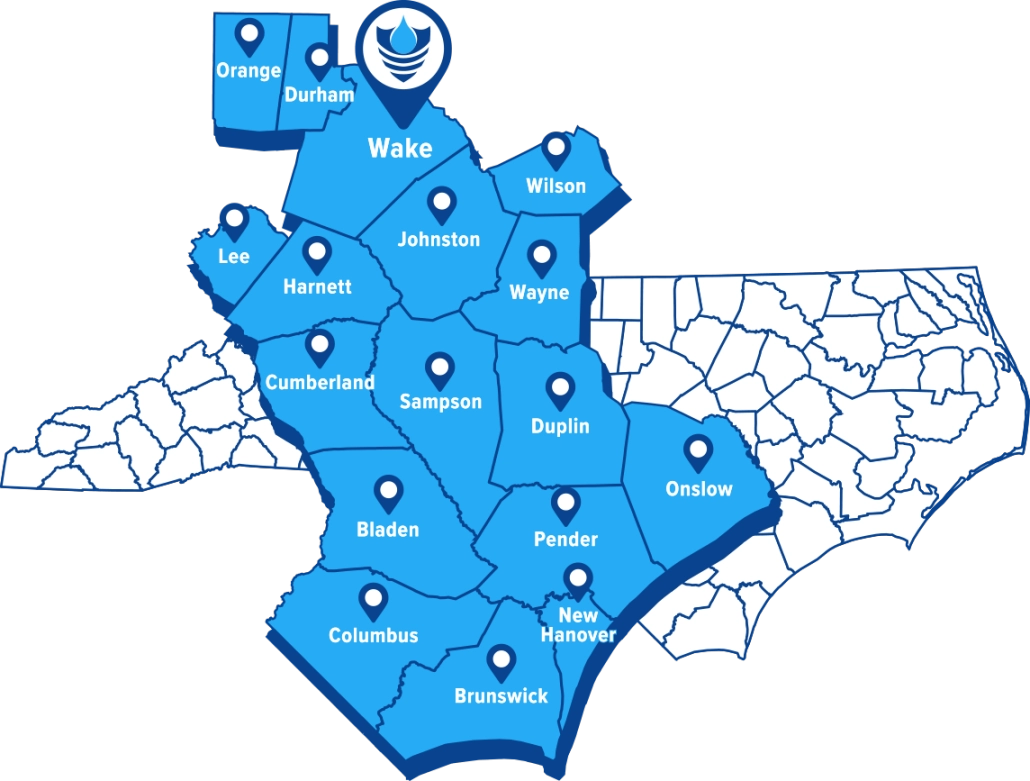
NORTH CAROLINA SERVICE AREAS